

Why Graphic Designers Might Not Necessarily be Afraid of AI?
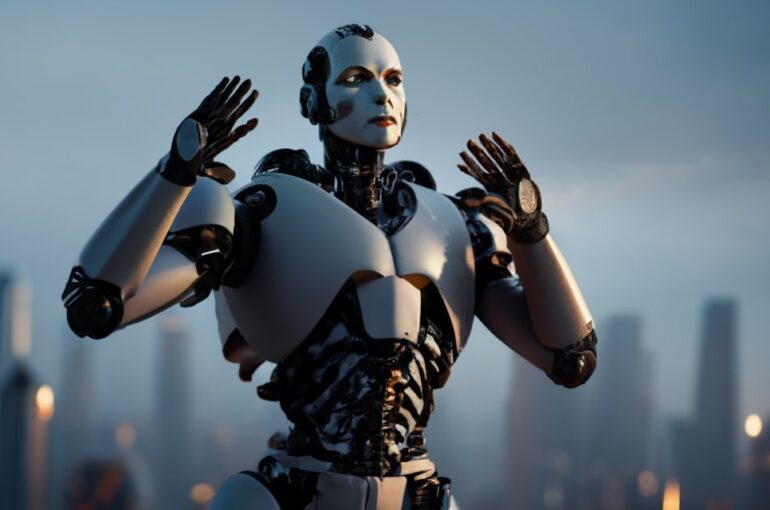
Graphic designers might not necessarily be afraid of AI, but there could be concerns and uncertainties within the industry due to the potential impact of AI on their work. Here are a few reasons why some graphic designers might feel uneasy about AI:
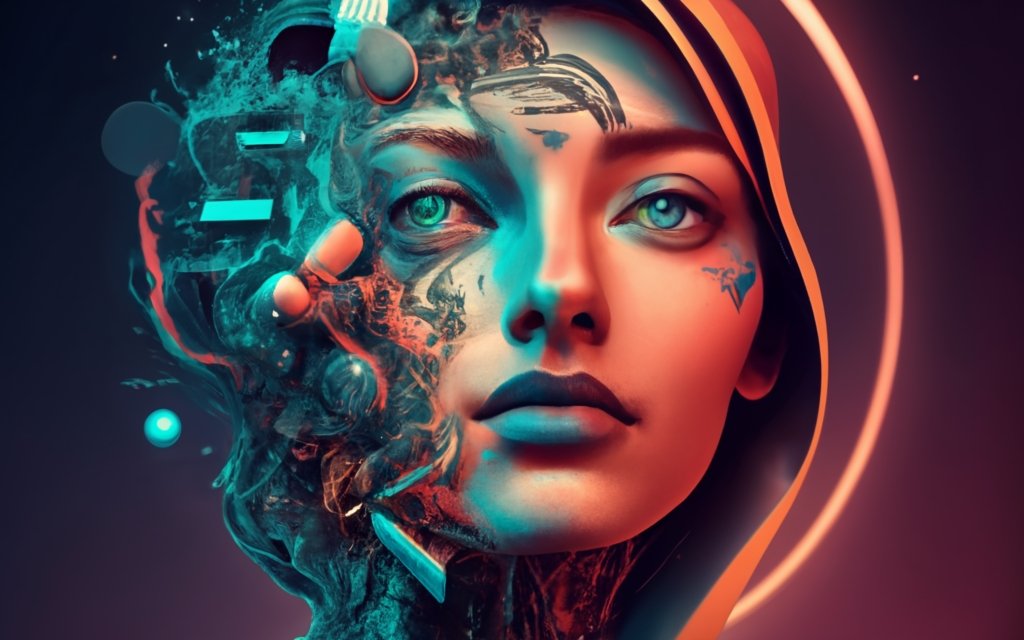
1. Job Disruption: One of the main concerns is the fear that AI and automation could potentially replace certain tasks or even entire jobs that graphic designers currently perform. AI-powered tools can generate designs, layouts, and even entire branding materials, which could lead to fewer job opportunities for human designers.
2. Quality and Authenticity: While AI can produce designs quickly, there might be concerns about the quality and authenticity of the work. Graphic designers pride themselves on their creativity, unique ideas, and the human touch they bring to their creations. Some worry that AI-generated designs might lack the depth and creativity that human designers offer.
3. Creative Control: Designers might be concerned about losing control over the creative process. AI tools might make design decisions that designers wouldn’t have chosen themselves, potentially leading to a loss of personal expression and creative satisfaction.
4. Devaluation of Skills: As AI tools become more sophisticated and accessible, there could be a perception that design skills are less valuable or that anyone can become a designer with the help of AI. This might lead to a devaluation of the expertise and experience that professional designers bring to the table.
5. Ethical and Legal Concerns: Designers might worry about ethical implications of AI-generated content, such as potential copyright issues, plagiarism, and originality concerns. It might be challenging to determine the source of creative work produced by AI, raising questions about ownership and proper attribution.
6. Learning Curve: Incorporating AI into the design workflow might require designers to learn new tools and technologies, which could be seen as an additional burden or challenge, especially for those who are more comfortable with traditional design methods.
7. Cultural and Emotional Elements: Designers often infuse their work with cultural, emotional, and social elements that are deeply personal. They might be concerned that AI-generated designs lack this human understanding and connection to cultural nuances.
It’s important to note that not all designers view AI as a threat. Many see it as a tool that can complement their work, offering new possibilities and efficiencies. Designers who embrace AI might find opportunities to focus more on the strategic and conceptual aspects of their work, while letting AI handle repetitive tasks.
Overall, the relationship between graphic designers and AI is complex and nuanced, and the response to AI’s impact on the field can vary widely among designers based on their individual perspectives and circumstances.

Sandy
The article is well-written and informative, providing a balanced overview of the potential benefits and challenges of AI for graphic designers.
It acknowledges the diversity of opinions and experiences among designers, and does not make sweeping generalizations or judgments about the role of AI in the field.
Raises important questions and issues that designers should be aware of and prepared for, such as ethical, legal, and creative implications of AI-generated content.
It also highlights the opportunities and advantages that AI can offer to designers, such as increased efficiency, productivity, and innovation.