

Did You Know Difference between Abstract, Contemporary, and Modern Art Styles?
Did You Know Difference between Abstract, Contemporary, and Modern Art Styles?
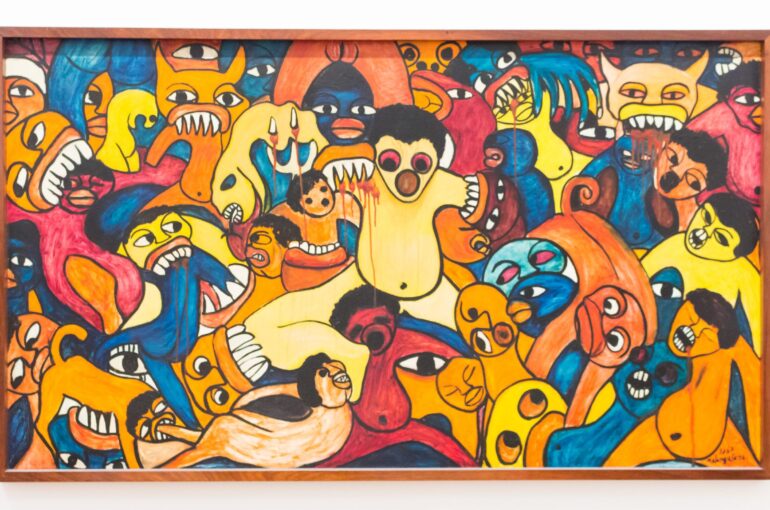
The terms "abstract", "contemporary", and "modern"
The terms “abstract,” “contemporary,” and “modern” are often used interchangeably to describe art, but there are actually some key differences between them. Modern art was characterized by its rejection of traditional artistic conventions and its focus on new ways of seeing the world.
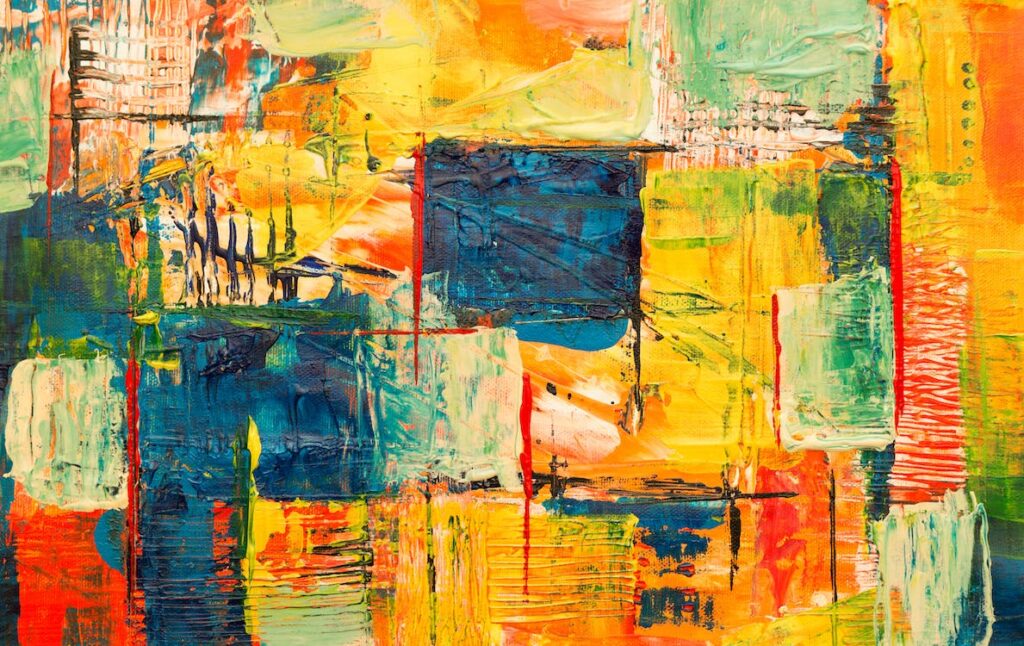
Abstract art is art that does not depict recognizable objects or scenes. It is often characterized by its use of shapes, colors, and patterns to create a purely visual experience. Abstract art can be traced back to the early 20th century, with movements such as Cubism and Abstract Expressionism.
Contemporary art is art that is created in the present day. It is a broad term that encompasses a wide range of styles and techniques. Contemporary art often explores new and innovative ways of making art, and it is often more focused on ideas and concepts than on traditional notions of beauty.
Modern art is art that was created between the late 19th century and the mid-20th century. It is a more specific term than “contemporary art”, and it encompasses a number of different movements, such as Impressionism, Cubism, and Surrealism.
So, how do these three terms relate to each other? Abstract art can be both modern and contemporary. For example, the work of Wassily Kandinsky is considered to be both abstract and modern, as it was created in the early 20th century. Contemporary art can also be abstract, but it can also be figurative or realistic. For example, the work of Jeff Koons is considered to be contemporary art, but it is not abstract. And finally, modern art can be contemporary, but it is not always the case. For example, the work of Pablo Picasso is considered to be modern art, but it was created in the early 20th century, so it is not contemporary.
Ultimately, the terms “abstract”, “contemporary”, and “modern” are just ways of classifying art. There is no hard and fast rule about how they should be used. There is often overlap between the three terms. The best way to understand the differences between these terms is to learn more about the different art movements that they encompass.
Anusuya
It is beautifully penned down with lots of information.